
Researcher finds that many Finnish teachers choose to work in schools in disadvantaged areas and are happy to stay
What motivates teachers to work in schools serving socioeconomically disadvantaged communities? And how can a publicly funded education system support both teachers and students?
Finland is often recognised for its commitment to educational equity and equal opportunities in education. A recent report by Yle News, based on research led by Sonja Kosunen, Professor of General Education at the University of Eastern Finland, sheds light on teachers’ experiences, professional motivations, and the factors that shape everyday school life.
The findings challenge common assumptions about teachers, school diversity, and the realities of working in schools serving communities with different social and economic backgrounds. They also offer valuable insights into how education systems can create conditions in which both students and teachers thrive.
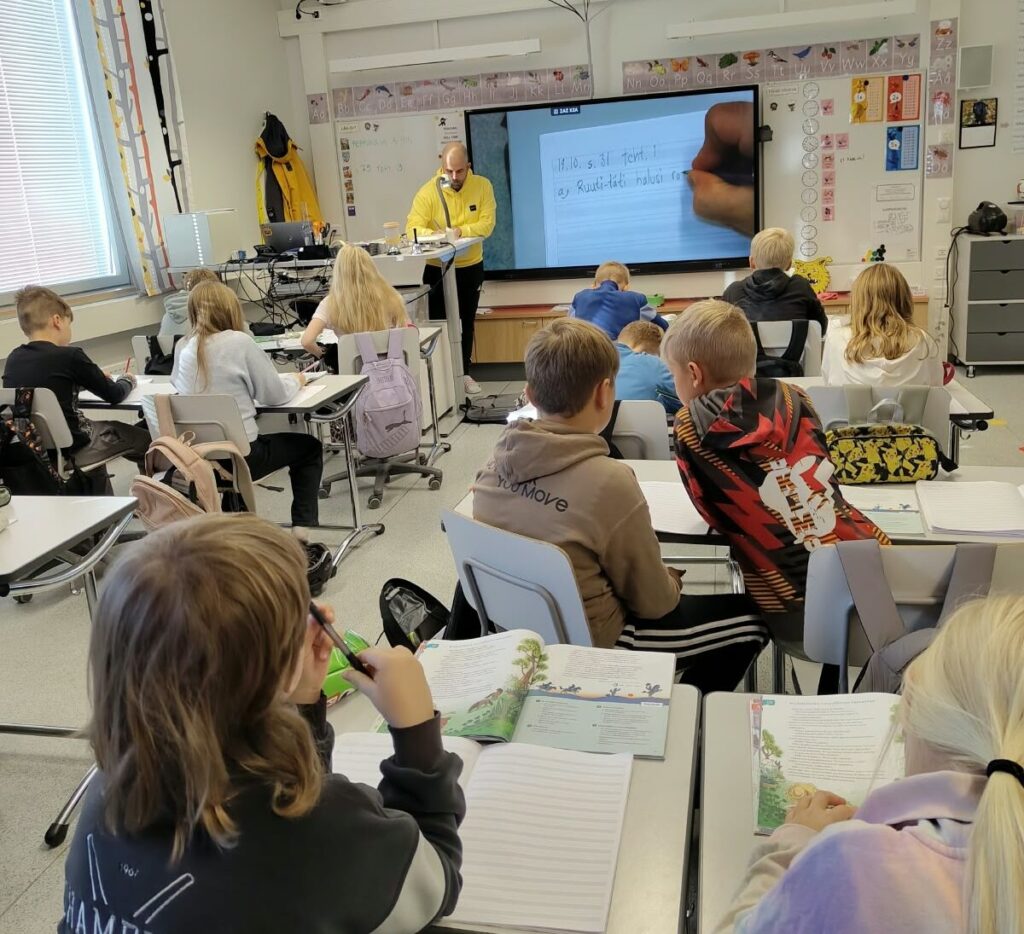
Meaningful work matters to teachers
Building relationships with students from different backgrounds, understanding their individual circumstances, and supporting their development can be powerful sources of professional motivation. Many teachers are committed to working in these communities because they see the difference their work can make.
Working conditions and available resources also play an important role. Schools serving disadvantaged communities may need additional support to respond to students’ needs, and Finland’s publicly funded education system provides opportunities to direct resources where they are most needed.
Depending on local needs and funding arrangements, additional resources can help schools recruit more classroom assistants, special education teachers, and other professionals. They can also support smaller teaching groups and more individualised learning support.
Recognising the hidden assumptions in teaching
Teachers bring their professional expertise, experiences, and personal backgrounds into the classroom. Like everyone else, they may have assumptions about what is normal, expected, or appropriate.
Professor Kosunen’s research highlights the importance of recognising how social class can influence classroom interactions, expectations, and assessments of students’ behaviour. For example, what appears to be a lack of motivation or a negative attitude may sometimes reflect differences in students’ experiences, resources, or familiarity with school expectations.

When schools recognise only the behaviours and skills most familiar to them, they risk overlooking the strengths that students from different backgrounds bring to the classroom. This does not mean lowering expectations. Instead, it means examining how expectations are communicated, how learning is supported, and whether students have fair opportunities to demonstrate their abilities.
For educators, this calls for professional reflection and a willingness to question established practices. It also highlights the importance of understanding students as individuals rather than making assumptions based on their circumstances.
Inclusion and Teacher Wellbeing Go Hand in Hand
Inclusive education requires more than appropriate resources and support structures. It also depends on a school culture where every student feels valued and able to participate, regardless of their background. While additional funding and staffing help schools respond to diverse needs, supportive leadership, professional collaboration, and thoughtful everyday practices are equally important.
Research reported by Yle News also challenges the assumption that difficult students or inclusion are major reasons why teachers change schools. Instead, factors such as the end of fixed-term contracts, long commutes, and leadership challenges play a more significant role.
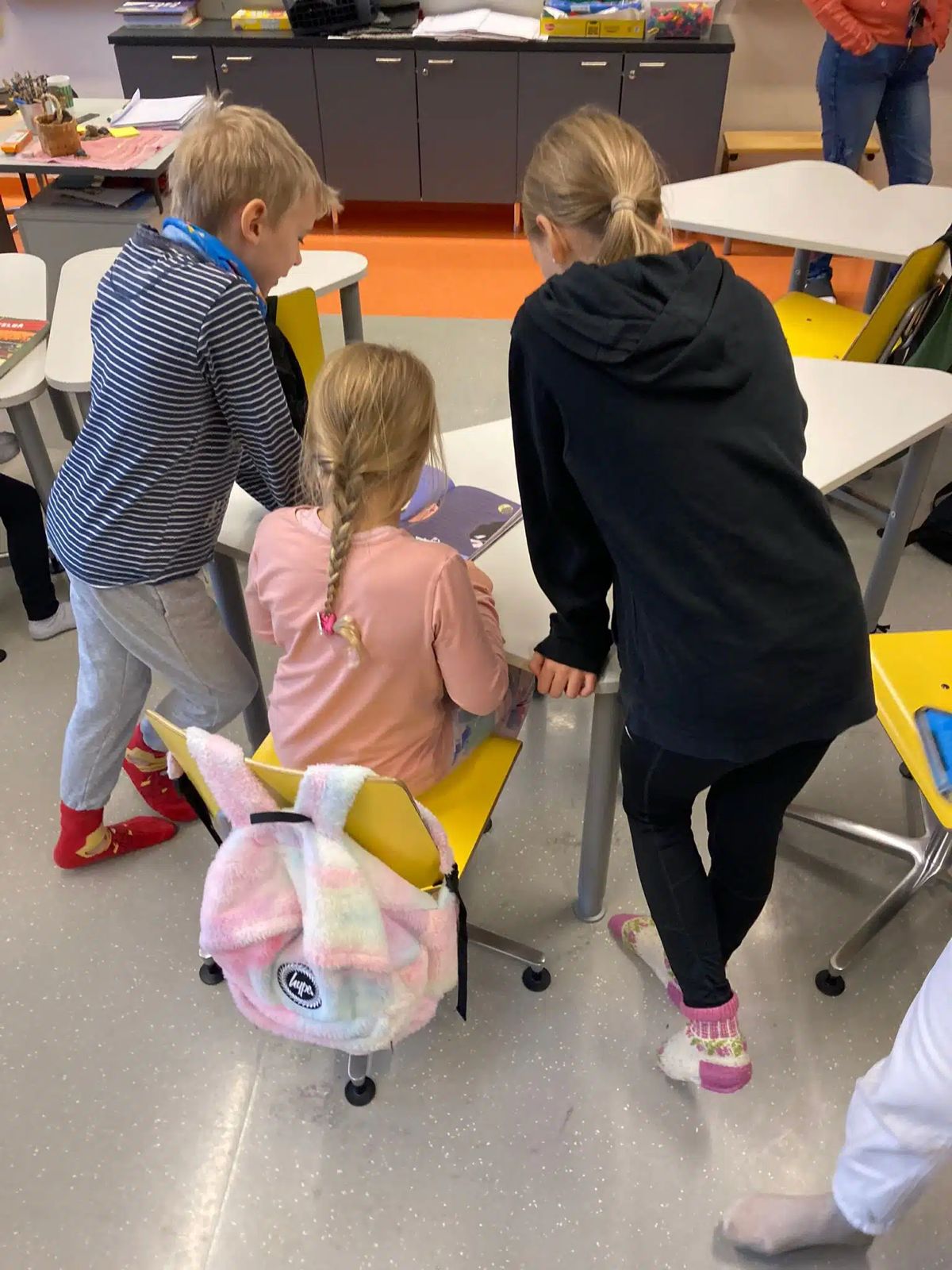
When teachers have the resources, support, and professional autonomy they need, they are better equipped to support their students. Educational equity and teacher wellbeing are not competing priorities — they reinforce one another.
Questions worth asking in every education system
The Finnish research invites educators, school leaders, and policymakers to look critically at everyday school practices and the assumptions behind them.
Some important questions to consider include:
- Whose experiences are reflected in our school culture? Do our routines and expectations unintentionally favour certain backgrounds?
- How do we recognise students’ strengths? Are we interpreting behaviour through a narrow lens, or taking the time to understand different perspectives?
- What enables teachers to thrive? Do they have the resources, leadership, and professional autonomy needed to support diverse learners?
- How are resources allocated? Can schools respond to students’ needs with appropriate staffing and additional support?
- How accessible are our learning opportunities? Can every student participate regardless of their family’s financial circumstances?
- How do we turn equity into everyday practice? What small but meaningful changes could make school life more inclusive?
These questions do not have one universal answer. Each school community has its own context, needs, and strengths. However, asking them is an important step towards developing educational environments where every student has the opportunity to succeed.
At Learning Scoop, we believe that international exchange offers a valuable opportunity to explore these questions together. By visiting schools, talking with educators, and comparing experiences across different contexts, we can challenge assumptions and discover new ways to support both students and teachers.

Ultimately, educational equity is not achieved through policies alone. It is built through everyday decisions, relationships, resources, and a willingness to understand the different realities students bring into the classroom.
Background information: Income inequalities between social groups and regions in Finland are relatively small by international standards. This is partly due to urban planning policies that mix different types of housing within the same neighbourhoods. Finland also has a social security system that guarantees a minimum level of income for people living in poverty.
The original Yle article on teachers’ experiences in Finnish schools in Finnish.