Supporting Teachers in Lesotho: Better Conditions, Stronger Schools
How can we make sure that qualified teachers are motivated to work and stay in remote schools? This was the central question of a recent education development project in Lesotho, where Learning Scoop worked alongside local education authorities, teachers and other stakeholders to find practical solutions.
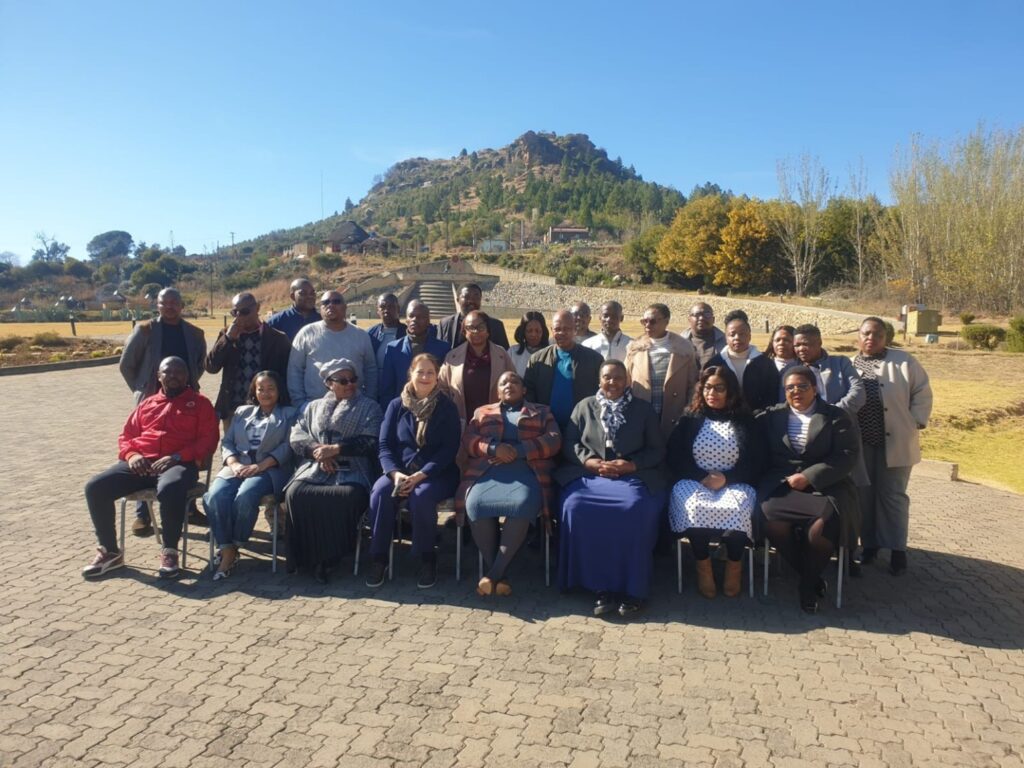
Lesotho’s beautiful mountainous landscape creates unique challenges for education. In some remote communities, teachers face long journeys to school, limited electricity and internet connectivity, inadequate housing and difficult weather conditions. These challenges can make it hard to attract and retain qualified teachers, affecting children’s access to quality education.
But what would make a real difference for teachers working in these conditions?
Listening to local experiences
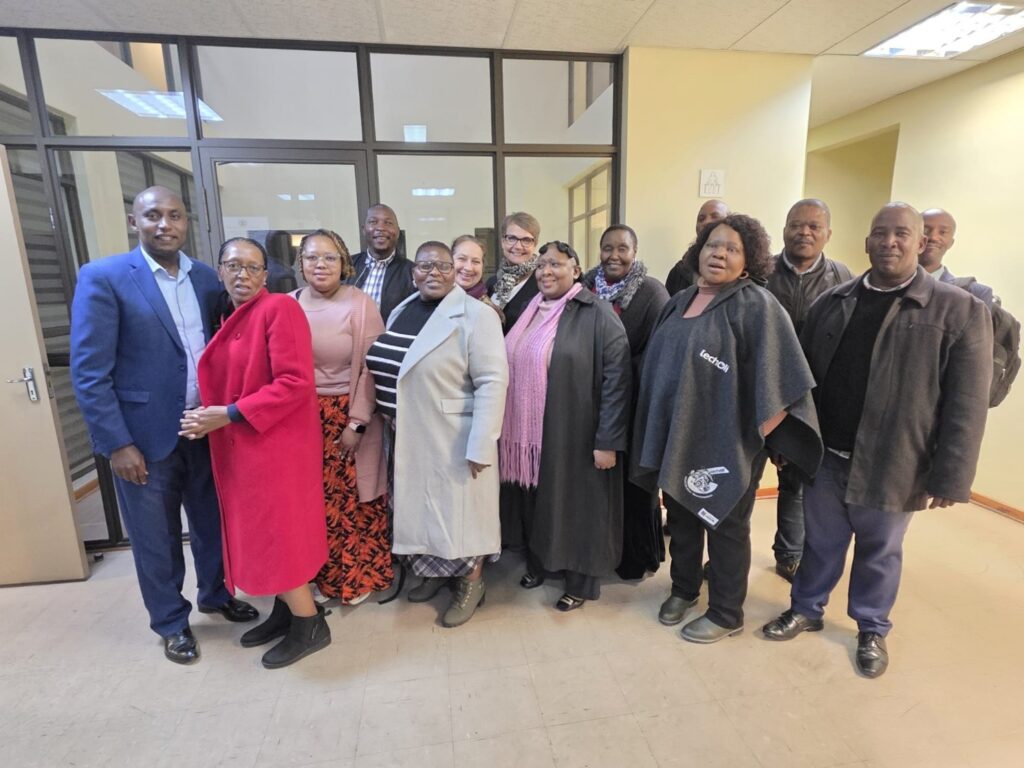
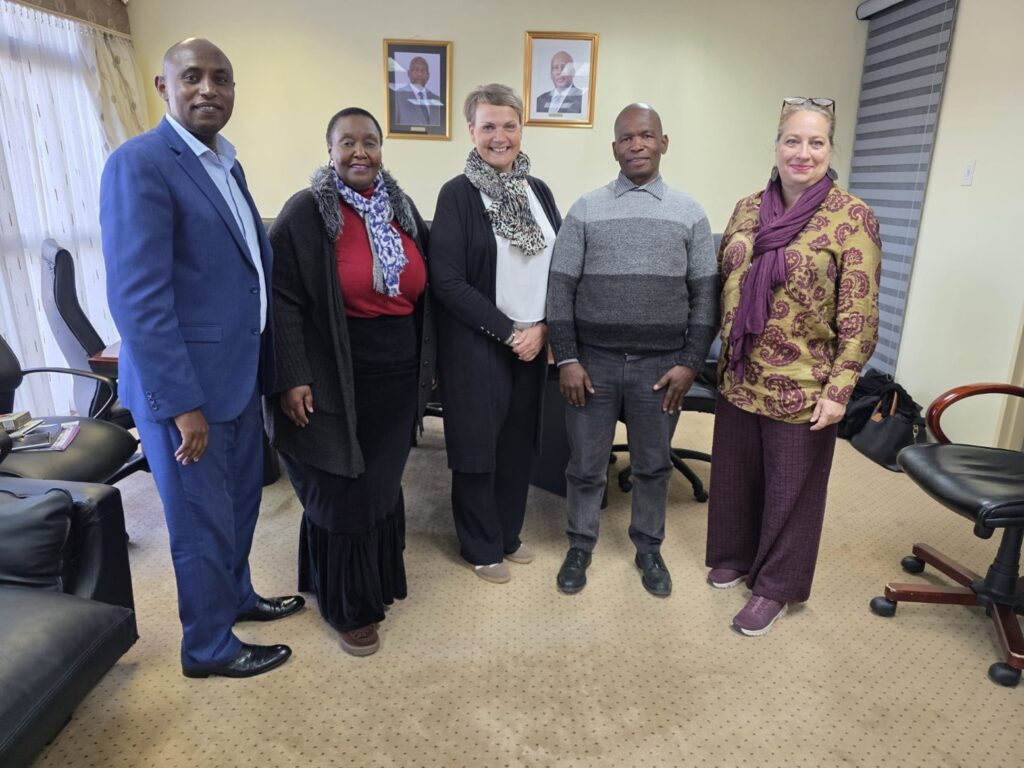
Our international expert Ilona Taimela and national expert John Taineomwangire worked closely with Lesotho’s Ministry of Education and Training and a wide range of local stakeholders.
The team met with education officials, teacher representatives, school leaders and teachers, including visits to schools in the highlands. These discussions provided valuable insights into the everyday realities of teaching in remote communities.
One important message emerged: supporting teachers is about much more than financial incentives.
Affordable and near to school housing, and heating, reliable transport, professional development opportunities, mentoring, recognition and a supportive school community all play an important role in helping teachers thrive.
The local stakeholders’ knowledge and practical experiences were essential in shaping solutions that respond to Lesotho’s actual needs.
Turning ideas into practical solutions
Building on the consultations and lessons from Rwanda and Uganda, the project developed a Non-Monetary Teacher Incentive Model.
The model recognizes that schools face different challenges and therefore need different types of support. A school struggling with electricity and connectivity may need different solutions from one where teachers lack safe accommodation or opportunities for professional development.
To make this possible, the project also developed the Lesotho Teacher Hardship Index, a new tool for assessing school conditions and identifying where support is most urgently needed.
Alongside the model, a monitoring and evaluation framework was created to help education authorities follow progress, identify challenges and make improvements over time.
Active participation and shared learning
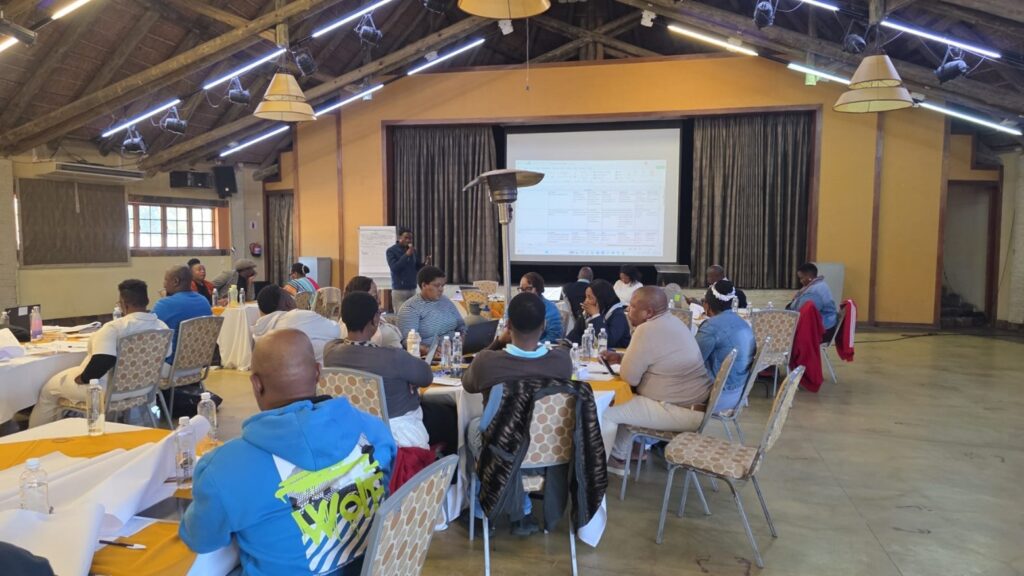
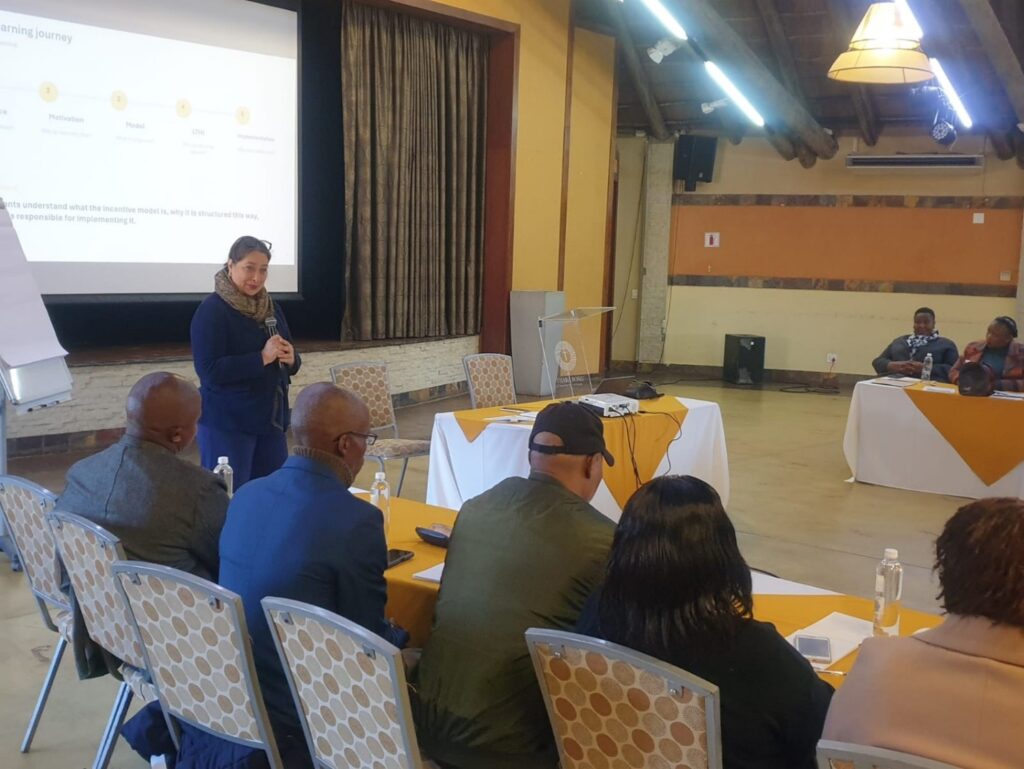
A highlight of the project was a three-day capacity-building workshop. The workshop brought together local education professionals and stakeholders to explore how the new tools could be used in practice.
Rather than focusing only on presentations, the workshop encouraged hands-on learning and active participation. Participants worked with real-life school and district scenarios, practised assessing hardship conditions, explored monitoring tools and developed action plans for their own institutions.
The active engagement of local participants was particularly valuable.
Their questions, discussions and practical insights helped identify implementation challenges and further improve the tools. This collaborative approach was central to the project: the aim was not simply to introduce a new model, but to develop solutions that local institutions can take forward and use in their own work.
A shared commitment to better education
The project has now delivered a practical framework for supporting teachers in Lesotho’s underserved schools. The next steps will focus on putting the model into practice, testing the tools and gradually expanding implementation.
We would like to warmly thank the Ministry of Education and Training of Lesotho, the Teaching Service Department, the Teaching Service Commission, participating schools, teachers, education officials and all other local stakeholders for their commitment, openness and valuable contributions throughout the process.
Special thanks go to everyone who actively participated in the consultations and workshops, sharing their knowledge, experiences and ideas. Your engagement made this work possible.
We also thank our partners under the Regional Teachers’ Initiative for Africa (RTIA) for the ongoing support and for the opportunity to contribute to this important work.
At Learning Scoop, we believe that sustainable education development grows from genuine collaboration, local expertise and shared ownership.
And ultimately, supporting teachers means supporting learners – wherever their school may be.
The assignment was carried out under the Regional Teachers’ Initiative for Africa (RTIA), funded by the European Union. The initiative is a partnership involving the European Union, UNESCO and the African Union Commission. The RTIA Facility is implemented by Expertise France, Enabel and EDUFI.