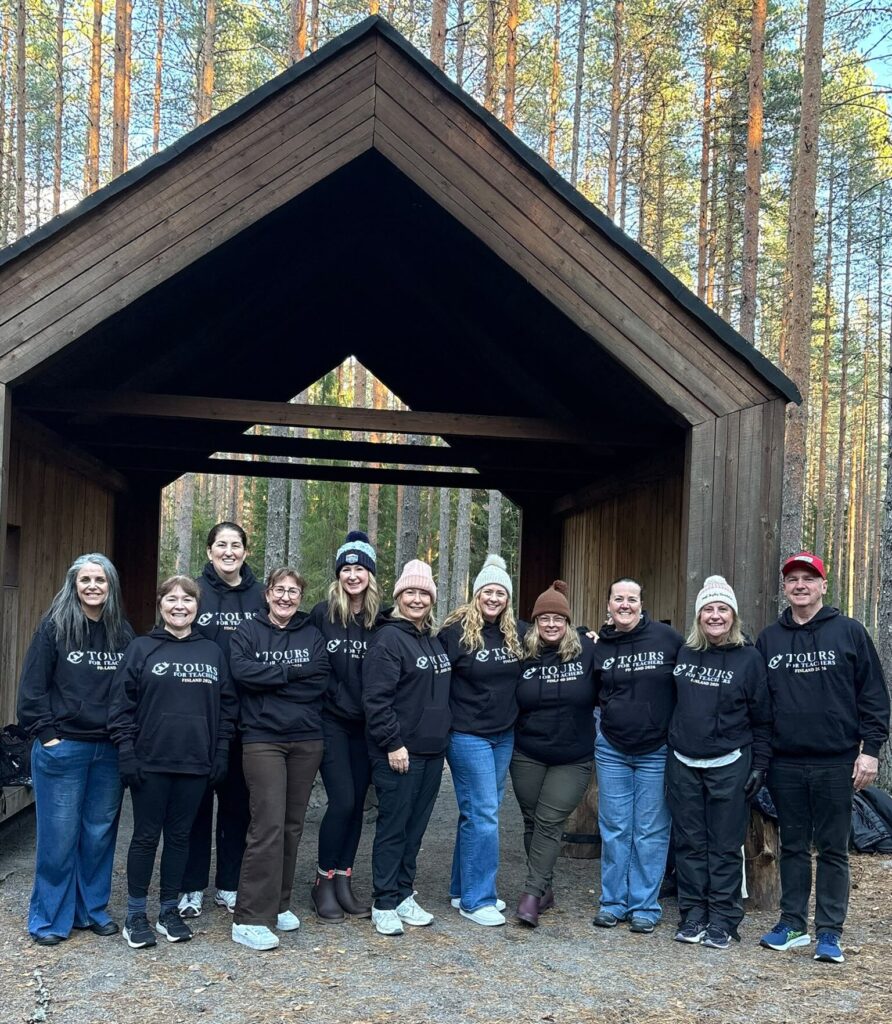
A Week Full of Wonder: Australian Educators Discover Finnish Education
Once again, we had the pleasure of welcoming a group of Australian education professionals to Finland for a study tour organised by Learning Scoop in collaboration with Tours for Teachers. Throughout the week, our guests explored the Finnish education system through visits to a variety of schools and early childhood education centres, alongside inspiring expert lectures and discussions.
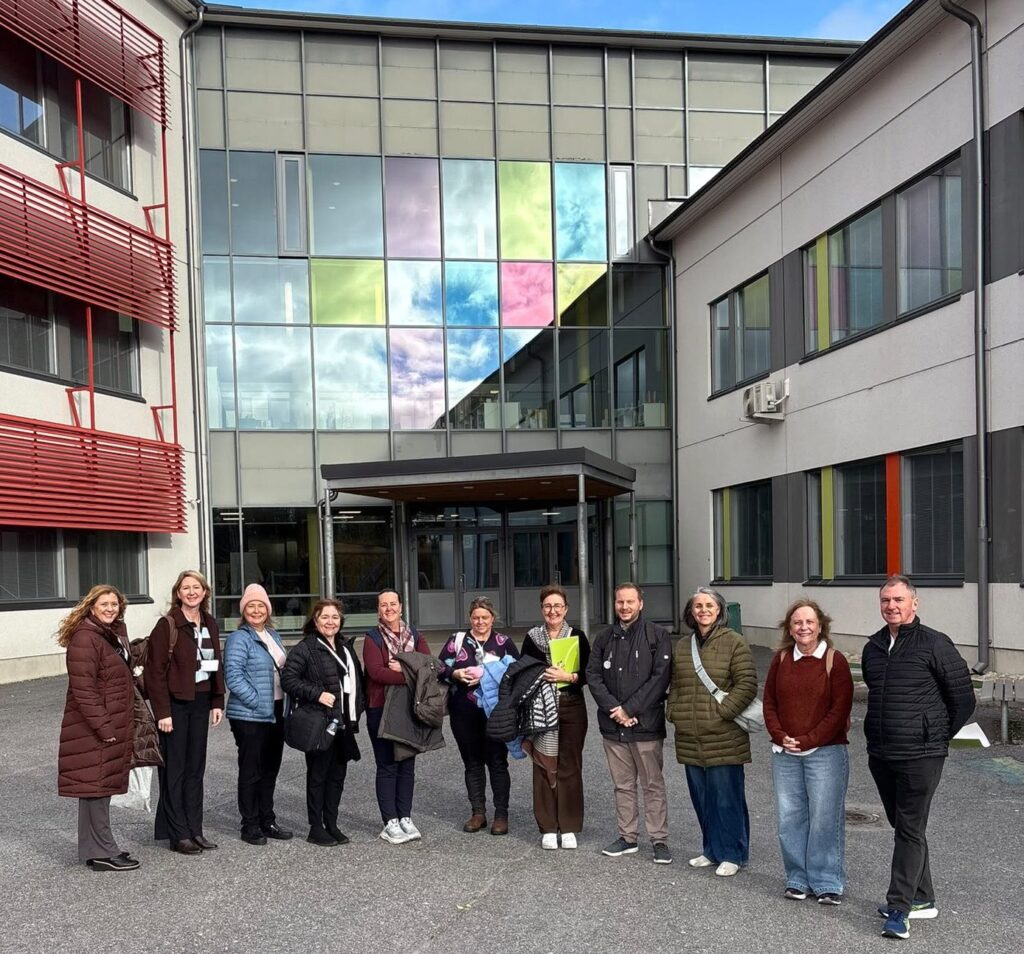
Bringing together professionals with different backgrounds and expertise created space for meaningful conversations that extended beyond the formal programme. The shared experience demonstrated how international collaboration can strengthen professional learning and inspire new ideas.
The programme offered opportunities to learn about the Finnish national curriculum, assessment practices, and approaches to supporting diverse learning needs. Beyond discovering how Finnish education works in practice, the visitors were encouraged to reflect on their own experiences, exchange ideas, and consider how different approaches could inspire their work back home.
A calmer approach to learning
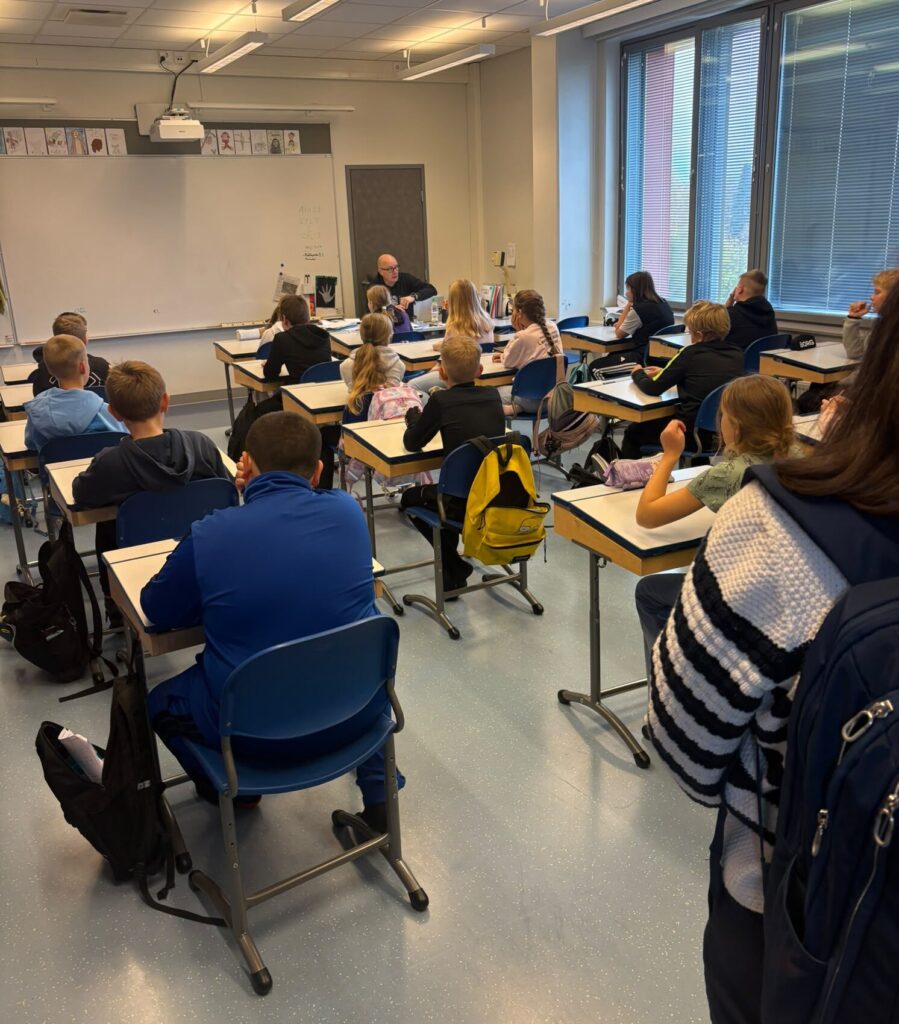
One of the things that stood out to the participants was the calm atmosphere in Finnish schools. The school days seemed less rushed, with a stronger sense of balance and a lower level of stress. The visitors were particularly interested in how this calmer culture could be fostered in their own educational contexts.
They also noticed how independent Finnish children are encouraged to be from an early age. Students are given opportunities to take responsibility, make decisions, and develop their own learning skills. This independence reflects a broader educational philosophy: education is for the students, and the system should be designed around their needs.
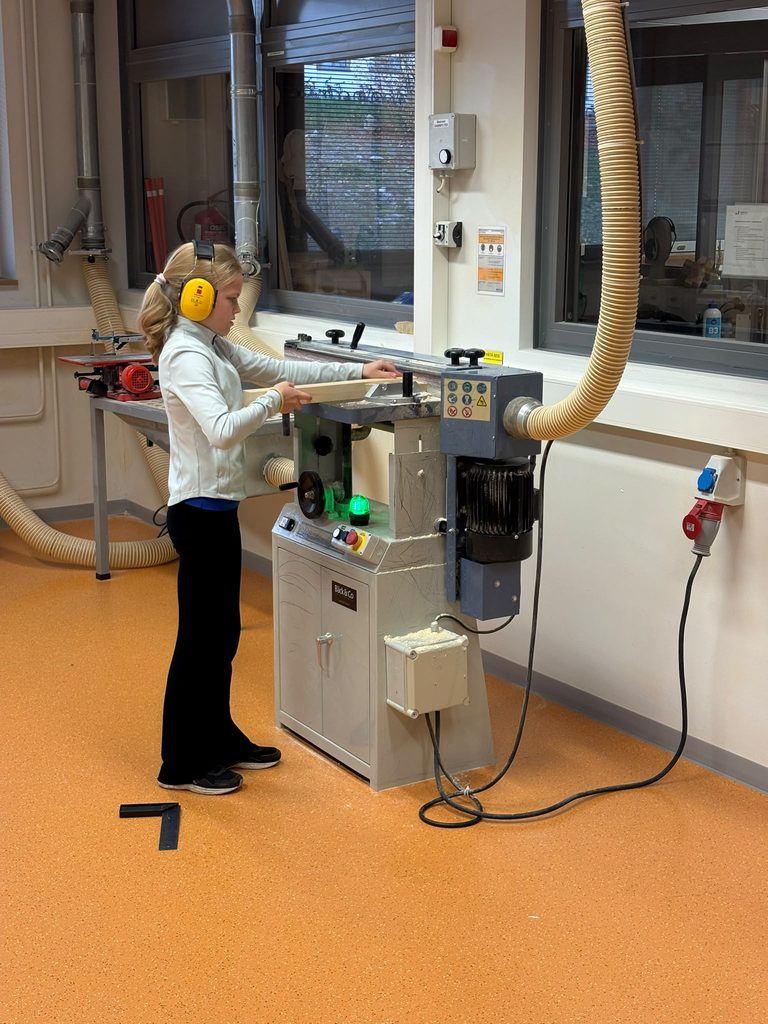
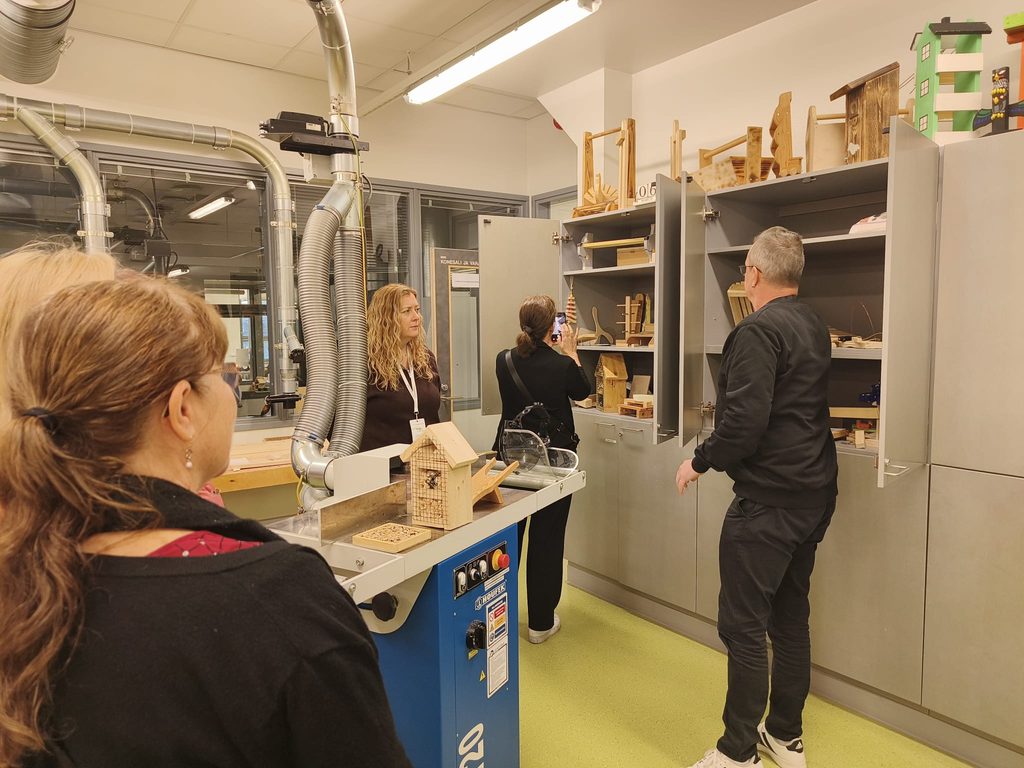
For the visitors, these observations raised important questions about how schools can create environments where both students and teachers have the time, space, and trust they need to thrive.
Inclusion, flexibility, and collaboration
Another key theme throughout the week was inclusive education and the ways Finnish schools respond to individual learning needs.
The participants were interested in how support can be organised flexibly, bringing together different professionals depending on what a student needs. The visitors also observed how additional adult support and smaller teaching groups can help create better conditions for learning when students need extra assistance.
The discussions highlighted the importance of collaboration between professionals and of allocating resources according to students’ needs. The participants appreciated the flexibility of the Finnish approach, as well as the opportunity for different staff members to work together without unnecessary bureaucracy getting in the way.
Trusting teachers and giving them room to make a difference
The role of teachers was another source of inspiration. The participants were impressed by the professional respect teachers receive in Finland and the autonomy they have in planning and delivering their teaching.
This trust gives teachers opportunities to use their professional judgement, respond to students’ individual needs, and make meaningful decisions about learning. Rather than focusing solely on following detailed instructions, teachers can draw on their expertise to shape the learning experience.
For the visitors, this raised an important question: How can we build a school culture that demonstrates genuine trust in teachers?
Equity and meaningful learning goals
The Finnish commitment to equity also resonated with the participants. The principle that every child should have access to a high-quality education, regardless of their background or circumstances, provided an important starting point for discussions about educational opportunities and support.
The visitors also reflected on the importance of setting meaningful goals for students. Learning goals can help guide progress, but they should be connected to the individual learner’s needs, strengths, and development. These conversations returned to a central question: How can education systems ensure that their structures, resources, and everyday practices serve students first?
For the group, the study tour experience offered different perspectives on how equity, student-centred thinking, and teacher autonomy can work together to support learning and wellbeing.
Learning from schools, nature, and one another
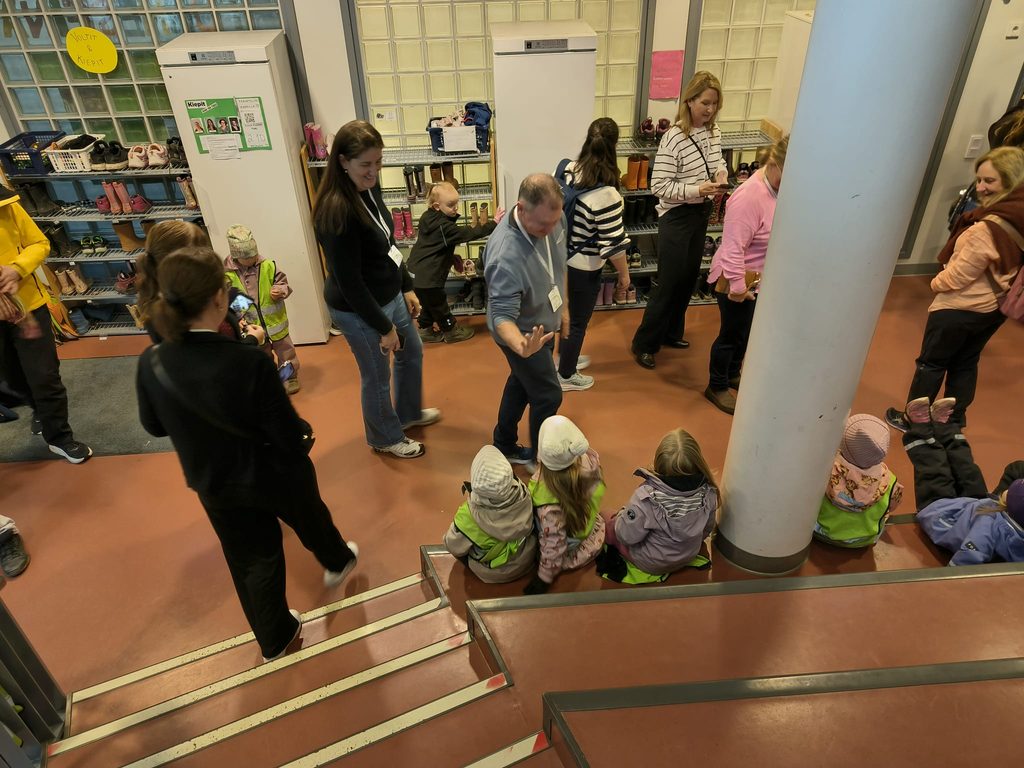
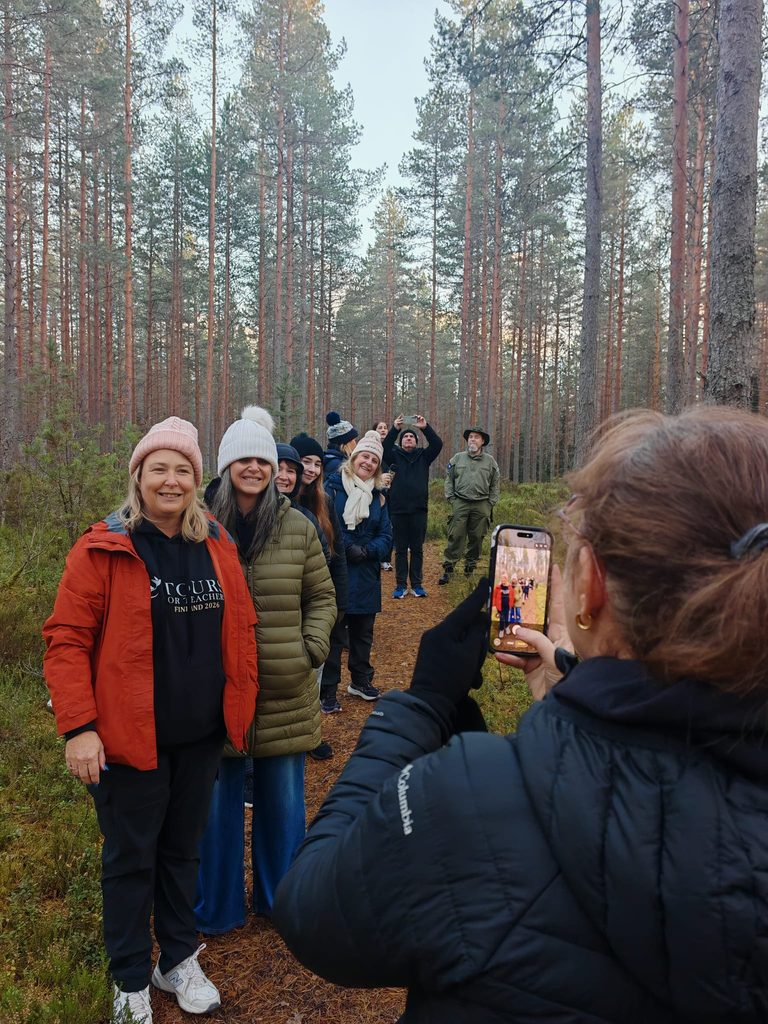
The study tour was not only about lectures and classroom observations. Visiting different schools and early childhood education centres offered the participants a chance to see how educational principles are reflected in everyday practice. Experiencing Finnish nature also provided a valuable reminder of the role that outdoor environments can play in learning, wellbeing, and connection.
Taking new perspectives home
All in all, the week was full of curiosity, reflection, and shared discovery. From the calmness of Finnish classrooms and the independence of students to inclusive practices, teacher autonomy, and multidisciplinary collaboration, the study tour offered plenty of inspiration to take home.
Of course, every education system operates within its own cultural and social context. There is no single model that can simply be transferred from one country to another. However, visiting schools in another country creates valuable opportunities to look at familiar challenges from a different perspective and consider what might be possible in our own settings.
Perhaps one of the most important takeaways was the reminder that education is ultimately about people: the students we support, the teachers we trust, and the professionals we learn alongside.
At Learning Scoop, we believe that these encounters and exchanges are an essential part of developing education. When educators come together with curiosity, openness, and a shared commitment to learning, a study tour becomes much more than a visit to another country’s schools. It becomes an opportunity to rethink, reconnect, and imagine new possibilities for education.