
Beyond PISA: What Really Matters in Finnish Education?
The latest PISA 2025 results have generated extensive international discussion, including within Finland. But perhaps the most interesting questions are not about rankings. They are about what schools should prepare children and young people for.
How can we inspire children to read in a world dominated by smart devices and short videos? How should schools respond to artificial intelligence and rapid social change? And, ultimately, what is the purpose of education in the first place?
Looking Beyond the Numbers
Finnish students continue to perform relatively well in international comparisons, but the latest results also highlight areas that require attention, particularly reading literacy and student wellbeing. While PISA provides valuable comparative data on student performance, individual results should always be considered as part of a broader educational picture. Test scores can tell us something about what students know and can do, but they cannot capture everything that matters in education.
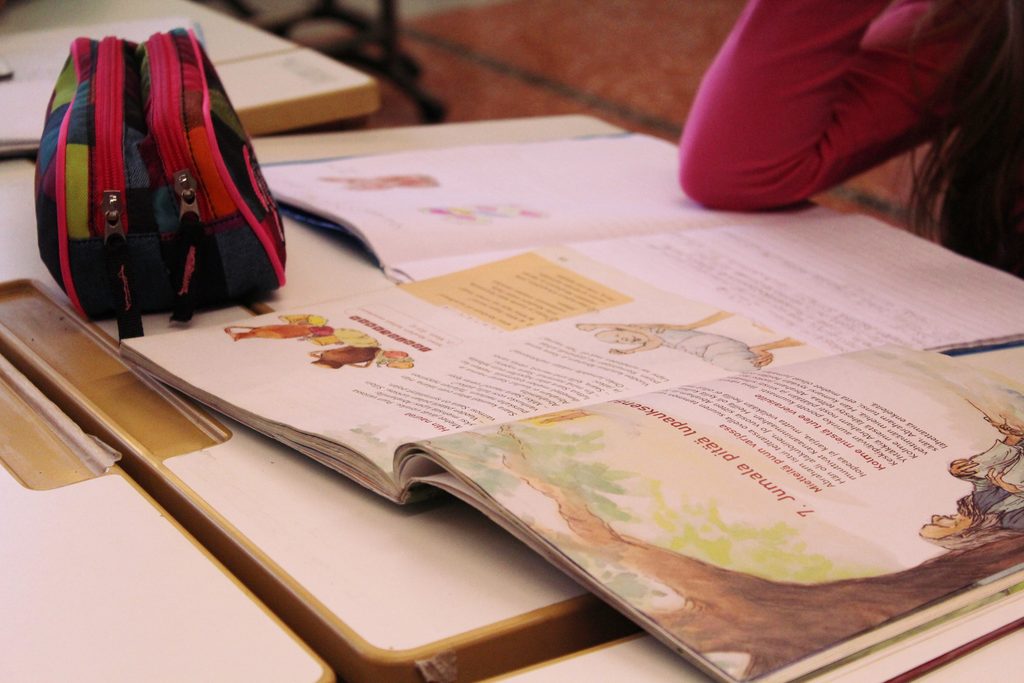
Strong reading skills are clearly essential across the curriculum. Reading comprehension supports learning in subjects ranging from history and mathematics to the natural sciences. It also plays an increasingly important role in navigating the wider information environment, where students are constantly exposed to different types of texts, images, claims and sources. Being able to understand, evaluate and interpret information is an essential skill both at school and beyond it.
This is why Finnish schools use a variety of approaches to make reading an enjoyable and meaningful experience.
Some schools invite reading dogs, giving children a calm and supportive environment in which to practise reading aloud. Others use reading diplomas to encourage students to read age-appropriate books both at school and at home. Younger pupils may also benefit from storytelling and volunteer “school grandparents” who share stories with them.
These approaches may seem simple, but they reflect an important principle in literacy education. Children need opportunities to experience reading not only as an academic requirement, but also as something enjoyable, meaningful and social. The aim is simple: to create positive early experiences with books and reading. When reading becomes associated with curiosity and enjoyment, children are more likely to develop a lasting relationship with it.
Digital Skills and the Rise of AI
PISA 2025 also provides some encouraging findings about Finnish students’ digital problem-solving skills. Finnish students performed above the OECD average in programming-related problem-solving, with no statistically significant difference between girls and boys in this area. At the same time, the results raise important questions about the rapidly changing role of artificial intelligence in education. PISA 2025 was the first PISA cycle to examine students’ use of AI for schoolwork.
In Finland, extensive AI use was associated with lower persistence, curiosity and performance, while moderate use to support learning showed no similar pattern.
The findings therefore highlight an important distinction: using technology is not the same as learning with technology.
As AI becomes increasingly present in everyday life, schools have an important role in helping students develop the judgement needed to use these tools critically and responsibly. Digital competence is not simply about knowing how to use technology. It also involves understanding its limitations, evaluating information and making thoughtful decisions about when technology supports learning and when it may replace valuable learning processes.
Preparing Children for a Future We Cannot Predict
Every education system has its own strengths and challenges, shaped by its historical, cultural and social context. For Finnish education, one of the central principles has been the commitment to providing equitable opportunities for all students.
This principle extends beyond academic achievement. It encompasses access to education, learning support, student wellbeing and opportunities to participate in society. Recent PISA findings also remind us that educational outcomes are closely connected to students’ wider circumstances. For example, differences in achievement between students with and without an immigrant background are partly associated with socioeconomic factors, highlighting the importance of looking beyond individual characteristics when discussing educational inequality.
Supporting students therefore requires more than focusing on academic performance alone. Schools also have a role in supporting children’s overall wellbeing. A warm school lunch, opportunities for outdoor activities and play, access to hobbies, and early learning support reflect a broader understanding of education: learning and wellbeing cannot be separated.
Consequently, the success of an education system cannot be measured solely through international test results. PISA can provide valuable comparative information about student performance, but it cannot fully capture whether schools succeed in developing independent, resilient and socially responsible individuals.
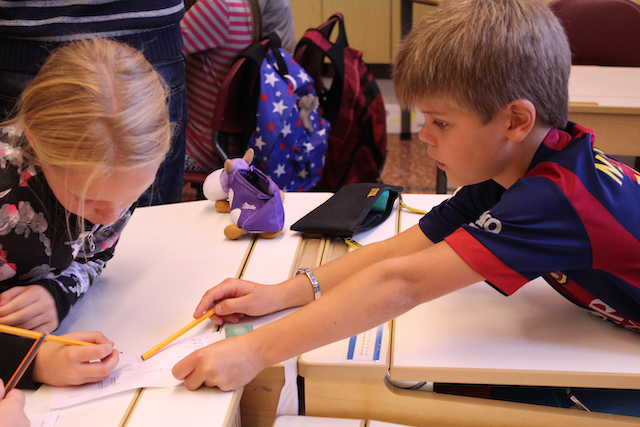
The long-term purpose of education is broader. It is about giving children the knowledge and skills to understand the world, the confidence to participate in it, and the ability to adapt to a changing world.
We cannot predict exactly what kind of world today’s children will inherit. What we can do is give them the knowledge, skills and confidence they need to navigate an uncertain future. This means developing not only academic knowledge and digital skills, but also curiosity, critical thinking, independence and the ability to work with others.
For Finnish education, the goal has never simply been to do well in PISA. It is to make sure that every child has the opportunity to learn, participate and thrive. Most importantly, no one should be left behind.