
A Tactile Response to an Increasingly Visual World
Stress toys have become increasingly common in children’s homes, particularly after gaining popularity on social media. They are also making their way into classrooms and becoming part of everyday school life.
Finnish toy and play researcher Katariina Heljakka suggests that the popularity of these tactile objects may reflect a growing need for sensory experiences in an increasingly digital environment. Much of our interaction with digital technology relies heavily on visual stimulation, while opportunities to engage our sense of touch can become more limited.
Finding Balance Through Hands-On Activities
Knitting is one example of a tactile activity that has gained popularity around the world, particularly during the COVID-19 pandemic. In Finland, it became a familiar sight even in university lecture halls, where students could be seen knitting while listening to lectures. Knitting has been associated with improved concentration and a calming effect on an overstimulated mind.
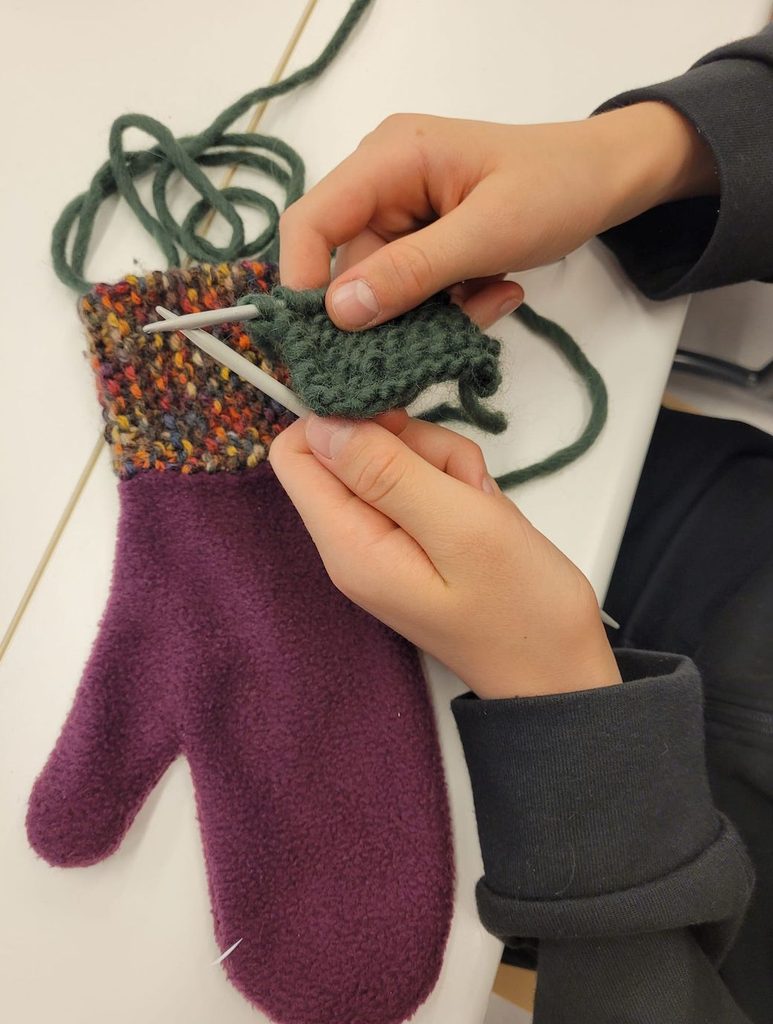
According to Heljakka, children’s stress toys can serve a similar purpose, simply in a different form. Interestingly, children are not only using ready-made sensory toys. Some have started creating their own using paper, cardboard, foam and other everyday materials. Exploring how different materials feel, experimenting with them and combining them in new ways can support creativity while also providing an enjoyable hands-on activity.
Stress toys are now sold almost everywhere, and unfortunately, not all manufacturers take sufficient responsibility for their safety. Products sold directly to consumers can therefore also pose significant health and safety risks. For this reason, it can be a good idea to encourage children to create something tactile for themselves using natural materials and everyday items instead of relying on plastic stress toys. This kind of making and experimenting offers something that digital environments cannot fully replicate: direct interaction with materials and the physical world.
Why Hands-On Learning Still Matters
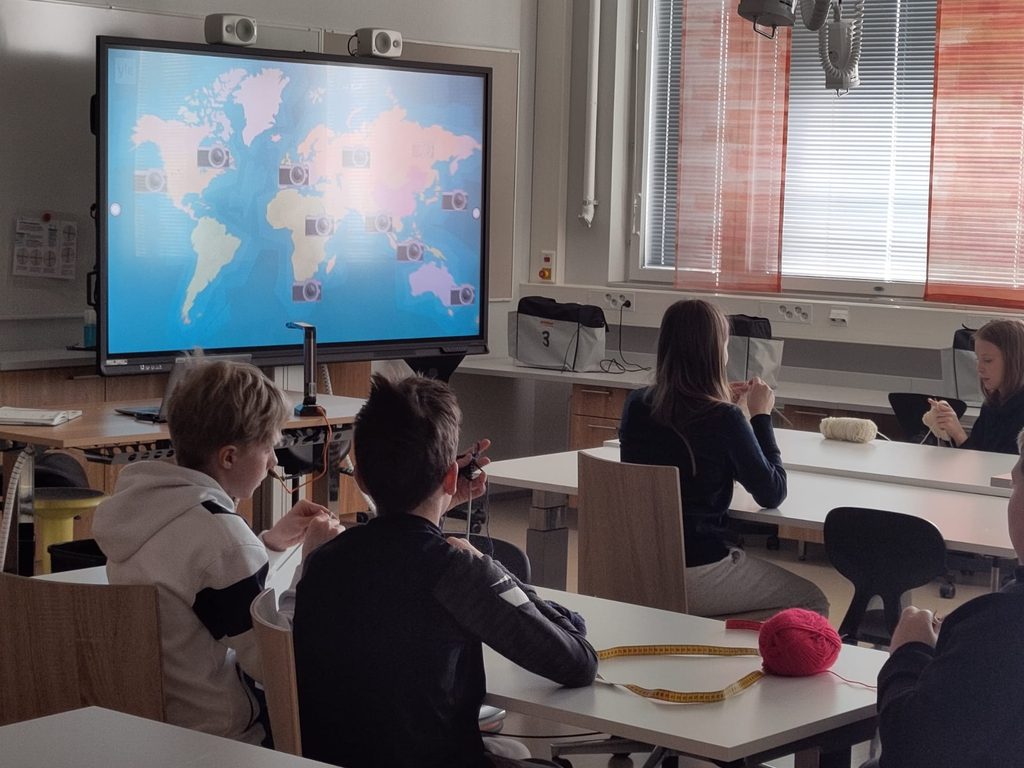
The Finnish curriculum includes a broad range of practical and creative subjects alongside traditional academic disciplines. These include visual arts, home economics, crafts and music. Such subjects have long been an integral part of Finnish education, but the growing role of digital technology has also brought renewed attention to the value of hands-on skills.
Consider something as simple as kneading dough by hand. It provides a tactile, sensory experience that can have a calming effect, much like a stress toy. At the same time, baking connects children with traditions, family practices and cultural heritage. A simple activity can therefore support wellbeing, creativity and learning at the same time.
Perhaps the popularity of tactile toys is not an entirely new phenomenon after all. It may reflect something much more fundamental: a need for physical, hands-on experiences in a world increasingly dominated by screens and visual stimulation.
As technology becomes an ever larger part of children’s lives, making space for touch, movement, creativity and traditional skills may be more important than ever.
Original source in Finnish: https://yle.fi/a/74-20246434