
Learning Across Borders: Insights from Comprehensive Education Study Tour in Finnish Schools
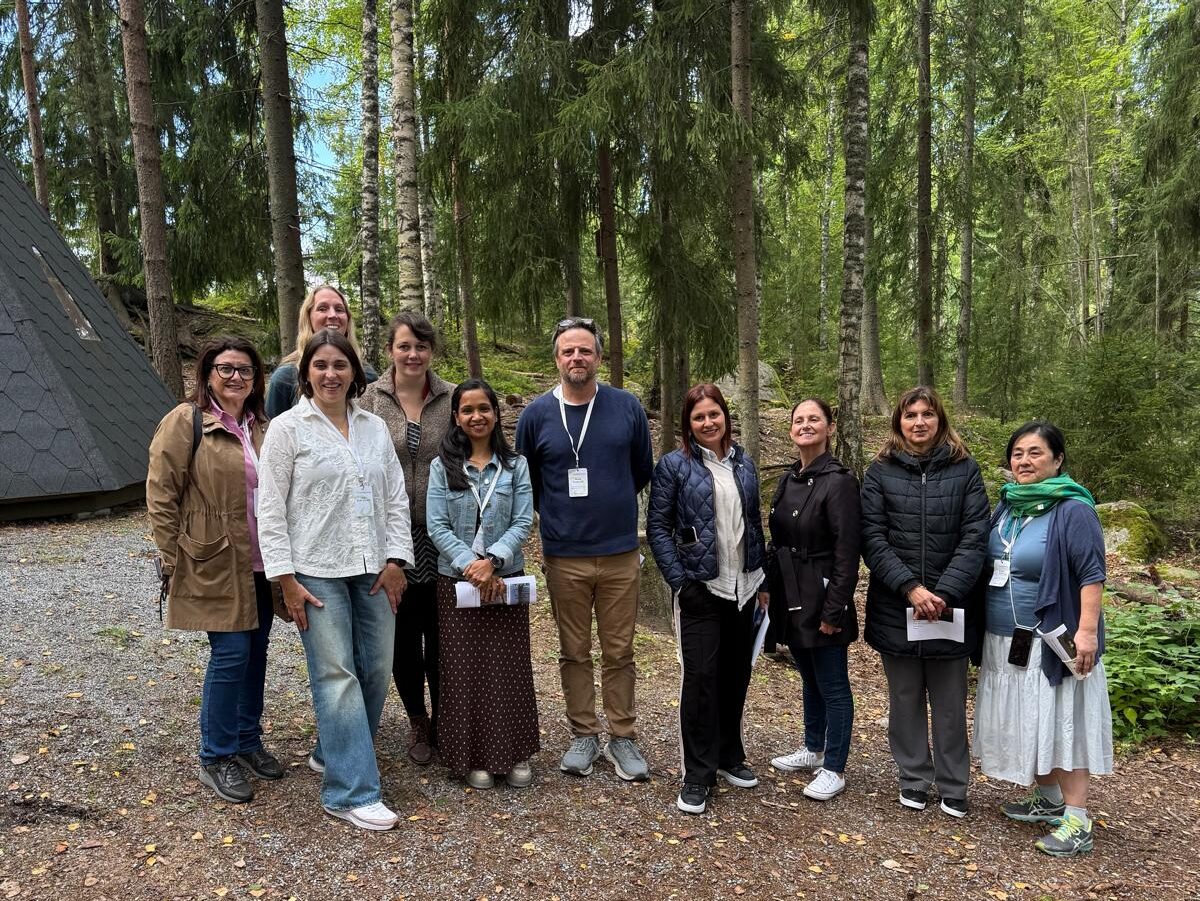
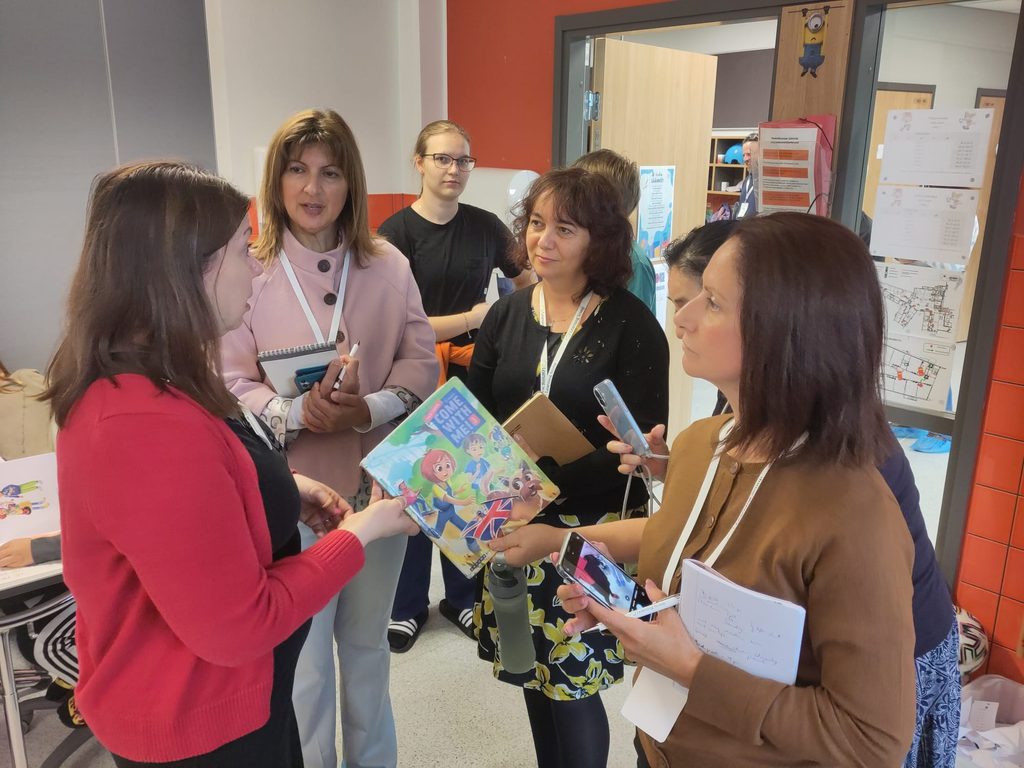
Last week, we had the pleasure of welcoming an international group of education professionals from Malta, the United States, Romania and India to Finland. During their study tour, our guests visited five different educational institutions, ranging from early childhood education to lower secondary school. In addition to school visits, the week included expert lectures and discussions on topics such as assessment, learning support, and multidisciplinary cooperation.
A glimpse into everyday learning in Finnish schools
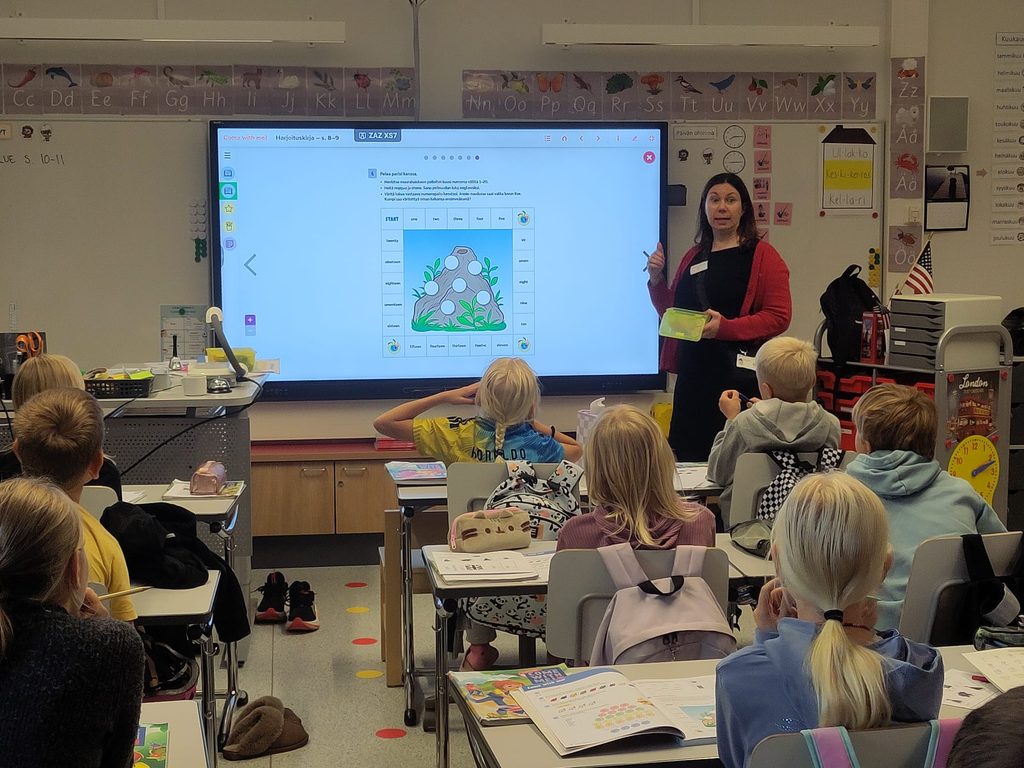
During the school visits, our guests had the opportunity to observe lessons with students of different ages. One thing that particularly caught their attention was the calmness and independence of the pupils.
In the Finnish education system, children are encouraged from an early age to work together, support one another, and take responsibility for their own learning rather than compete against each other. Collaboration is seen as an important learning skill in itself.
Teachers also pay attention to students’ ability to concentrate and stay engaged. For example, lessons may be structured into different sections that alternate between focused, quiet work and movement. Short activity breaks help students maintain their concentration and make learning more enjoyable and effective.
Every education system has its own history, strengths, challenges, and unique context. However, international cooperation in education gives us an opportunity to learn from one another, share good practices, and look at familiar questions from new perspectives.
Supporting every learner – as early as possible
One of the key themes of the study tour was learning support in Finland. An especially interesting topic of discussion was the role of diagnoses in planning and providing support.
The Finnish approach places strong emphasis on early identification of learning needs. The aim is to respond to challenges as early as possible, rather than waiting for difficulties to become more serious. Early support can help prevent secondary challenges, such as behavioural difficulties or negative effects on a student’s self-esteem and motivation.
Finnish schools are funded by the state and municipalities, and resources are allocated according to identified needs. This means that schools with greater needs may receive additional resources, such as special education teachers, classroom assistants, or language support.
Multidisciplinary cooperation as part of school life
Multidisciplinary cooperation is a common part of everyday life in Finnish schools. Teachers may, for example, work together with other teachers or maintain close contact with school social workers and school nurses when a student’s situation requires additional support.
Finland also aims to include students who need special support in mainstream classrooms whenever possible. It is therefore quite common for a classroom to have not only a classroom teacher but also a special education teacher or a classroom assistant working alongside them.
This approach means that support is brought to the student as part of their everyday learning environment, rather than automatically separating students who need additional support from their peers.
Trust in teachers and students
One of the things that impressed the study tour participants most was the level of trust placed in both students and teachers within the Finnish education system.
Finnish teachers are highly educated, with a master’s degree being the standard qualification for the profession. Their professional expertise is trusted, which gives teachers considerable pedagogical autonomy in planning and delivering their teaching.
The visitors were also inspired by the Finnish approach to learning outside the classroom. Outdoor learning was seen as an excellent way to expand learning opportunities, strengthen children’s connection with nature, and support their overall wellbeing.
Sharing ideas across borders
All in all, the study tour was an inspiring and memorable week, full of new perspectives and ideas to take home.
Every education system has its own history, strengths, challenges, and unique context. There is no single model that can simply be transferred from one country to another. However, international cooperation in education gives us an opportunity to learn from one another, share good practices, and look at familiar questions from new perspectives.
Interested in joining a study tour? Explore the different study tour themes available on our website and sign up for your own learning experience in Finland!