Literacy, Trust and Hope: Bahamas Literacy Association Explores Finnish Education
Literacy is a way of life. This idea connected many of the experiences and discussions during the Bahamas Literacy Association’s (BLA) study tour in the Tampere region from 19 to 23 October 2026.
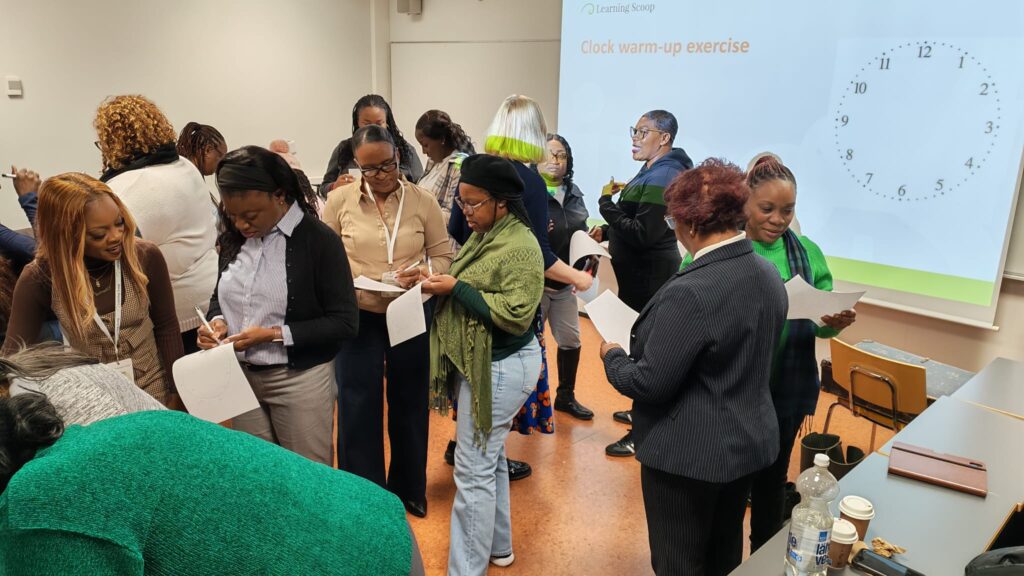
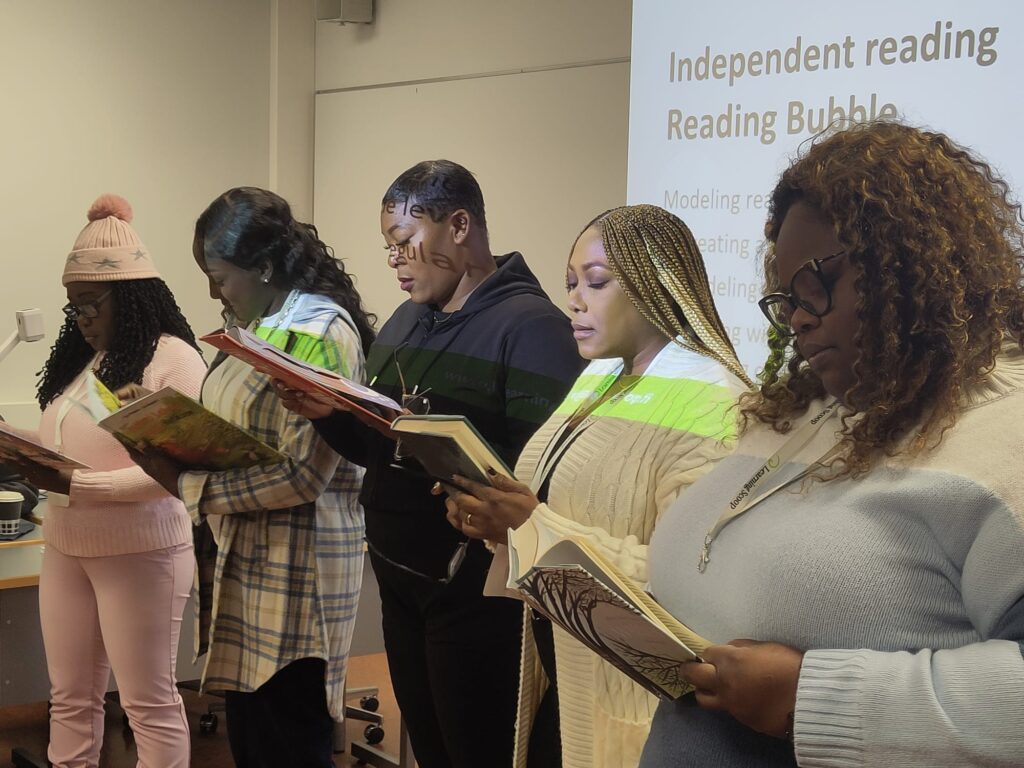
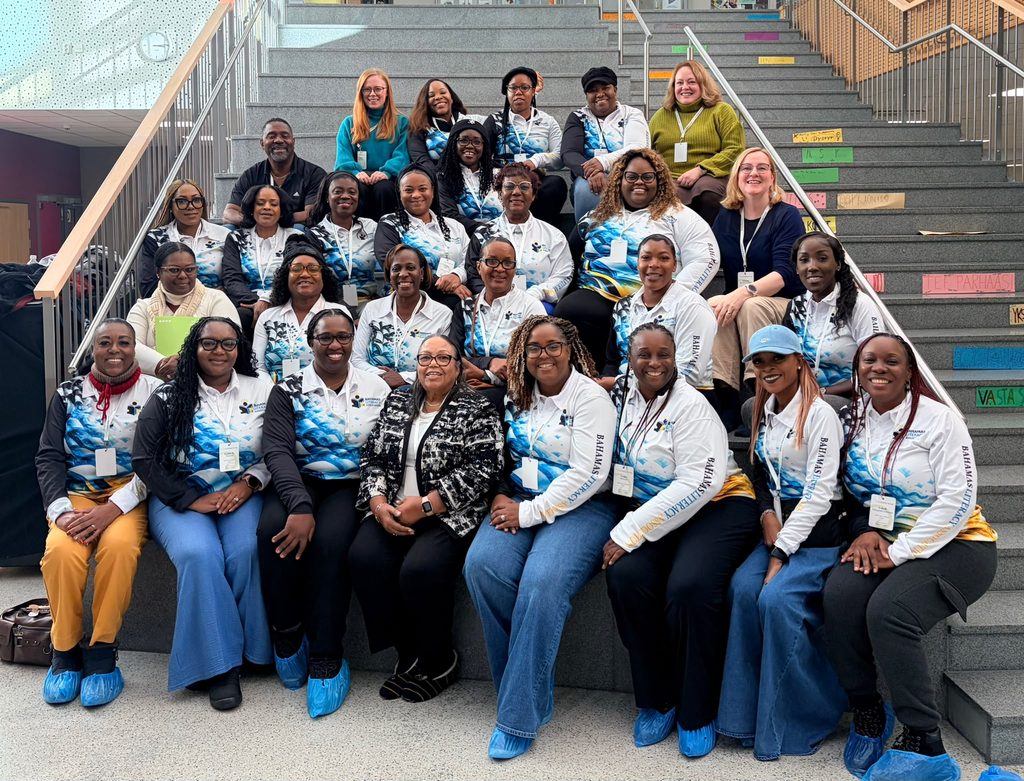
A group of 25 education professionals from The Bahamas, including teachers, principals and other school staff, recently joined a five-day study tour in Finland. Many members of the group brought a strong professional interest in literacy education. Throughout the week, they explored how Finnish schools help children develop language and reading skills, support different learners and build a school culture where everyone matters.
The programme combined visits to several Finnish schools, professional learning sessions led by Finnish education experts, and even a Finnish nature experience, offering participants a well-rounded view of Finnish education and culture, opportunities to examine everyday practices, exchange experiences and reflect on shared challenges. The week brought new ideas, encouragement and recognition of the valuable work already taking place in the participants’ own settings.
Trust and space for learning
The programme began with an introduction to the Finnish education system and a visit to Harjuniitty School. Discussions soon moved beyond individual teaching methods to the values shaping everyday school life. Trust, teacher autonomy and a collaborative school culture emerged as central themes. The visitors appreciated how teachers were given space to exercise their professional judgement while having access to support from colleagues and other professionals. This encouraged reflection on how they could strengthen trust and support teachers in their own schools.
Finland’s school starting age of seven also sparked curiosity and discussion. Through research-based expert presentations and their own observations, the visitors gained a deeper understanding of the role of play in early childhood and its value in building strong foundations for learning. The principle of less is more became meaningful in this context: allowing time for play, development and exploration can support children’s learning and well-being.
Entrepreneurship and a connection with home
Tuesday’s visit to Ylöjärvi Upper Secondary School brought curriculum and assessment into focus. One of the school’s specialities is its entrepreneurship track, where students establish businesses and collaborate with local companies. This offered an example of learning that connects students with the world beyond school. We also had a chance to see how a vocational school and an academic upper secondary school are run under the same roof and what kind of synergy it brings.
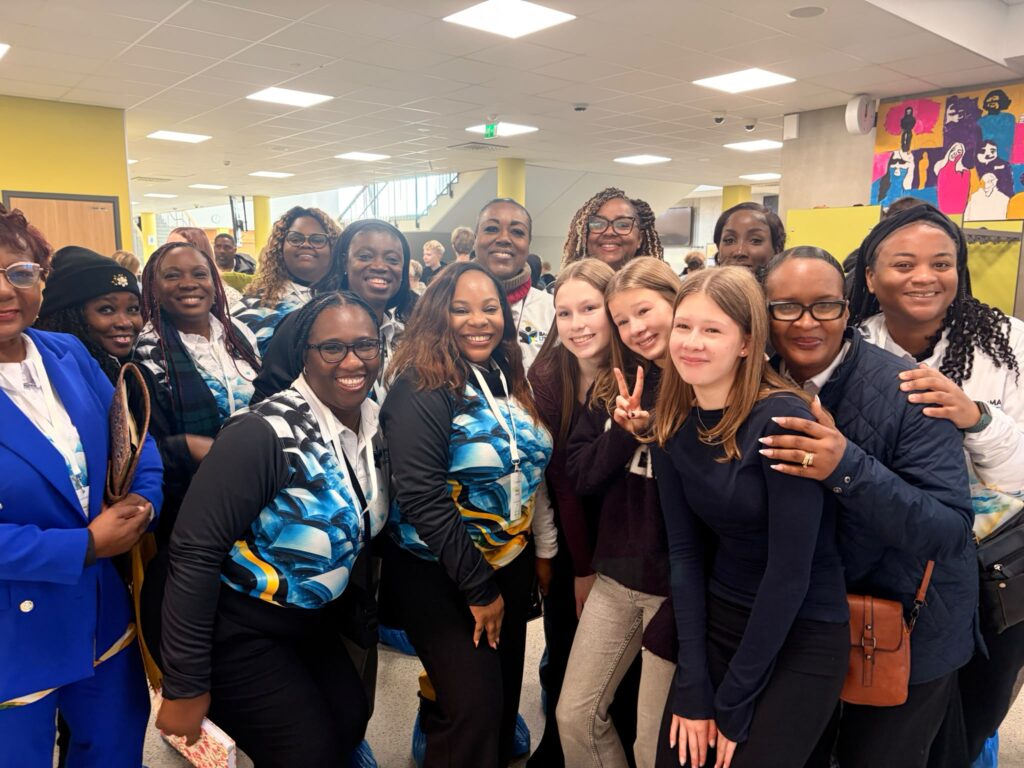
The visit also brought a special connection with home. During a world music course, guests from the Bahamas gave students a small concert in the music classroom. Cultural exchange became part of the school day, adding a memorable shared experience to the visit.
The afternoon session continued the exploration of curriculum and assessment, connecting classroom observations with the educational thinking behind them.
Flexible support for different learners
Wednesday was dedicated to learning support, with groups visiting Lempoinen and Takahuhti schools. The visits demonstrated different ways of organising special education and responding to students’ diverse needs.
Support was provided flexibly, both in smaller special education classrooms and within mainstream classes. The emphasis was on finding arrangements that serve the learner, with professional collaboration helping teachers respond to different situations. Access to support without waiting for a diagnosis made a strong impression. So did the support teachers received from other professionals and from one another. These observations brought the themes of inclusion and quality education for all into practical focus.
The afternoon lecture deepened the discussion and prompted an active exchange about differentiation, including how students’ different needs can be considered in assessment.
Literacy is Everyone’s Responsibility
Thursday’s focus on literacy development and language learning was particularly relevant to the BLA members’ professional interests. Visits to Toivio and Tesoma schools provided opportunities to explore these themes in practice. The extensive efforts dedicated to teaching Finnish as a second language, preparatory education and early intervention made a strong impression.
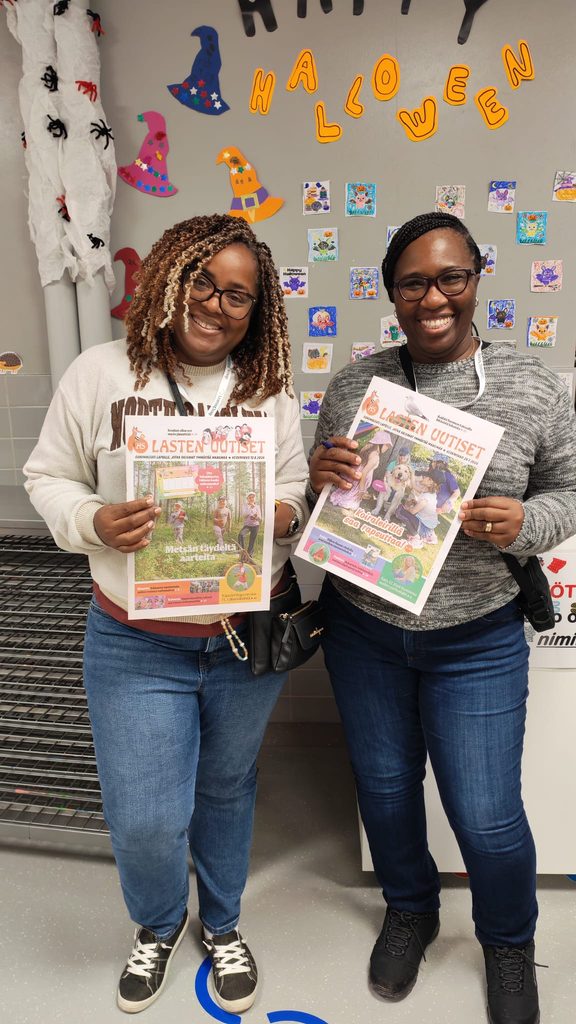
At Tesoma Comprehensive School, thirteen Bahamian educators observed newcomer preparatory education and Finnish as a second language, or S2, classes, where students at different grade levels were learning Finnish while developing their literacy skills. The time, expertise and dedication invested in this work made a strong impression. Word banks, picture supports, gestures, repetition and short sentences helped students understand, communicate and participate in learning.
The visit also highlighted how literacy is embedded across the curriculum, with every teacher contributing to the development of language and reading skills. This shared responsibility resonated strongly with the BLA members and prompted discussion about making reading an enjoyable and meaningful part of everyday life. For educators with a strong commitment to literacy, the observations offered practical ideas to build on their own expertise and experience.
Shared challenges and renewed confidence
A Finnish Nature Experience outdoors (including some Northern Lights!) and the final pedagogy workshop broadened the week’s learning and created further opportunities for reflection.
Across the programme, attention returned to the whole child. Alongside academic learning, discussions explored interpersonal skills, participation, citizenship and how schools help children become confident learners. Schools were seen as communities that nurture not only academic achievement, but also social skills, wellbeing and citizenship. Education was encountered as part of Finnish culture and everyday life.
Recognising familiar challenges in Finnish schools made the exchange especially meaningful. Seeing different ways of addressing those challenges brought hope, while many observations also reinforced confidence in the participants’ existing work.
No child is really left behind.
The group left with fresh perspectives, practical ideas and renewed energy for supporting teachers and learners in their own communities.
Perhaps the most meaningful outcome of the study tour was the sense of encouragement it provided. Seeing how Finnish schools address many of the same challenges faced in The Bahamas gave participants renewed confidence in their own work.
I started to see hope when I saw how you were able to handle the same challenges as we do. We are on a right track!
We warmly thank the members of the Bahamas Literacy Association and the schools that welcomed us for a week of thoughtful dialogue and shared learning. Special thanks go to the group leader, Ms Lakell Johnsson, for her coordination and excellent cooperation throughout the planning and delivery of the study tour.